
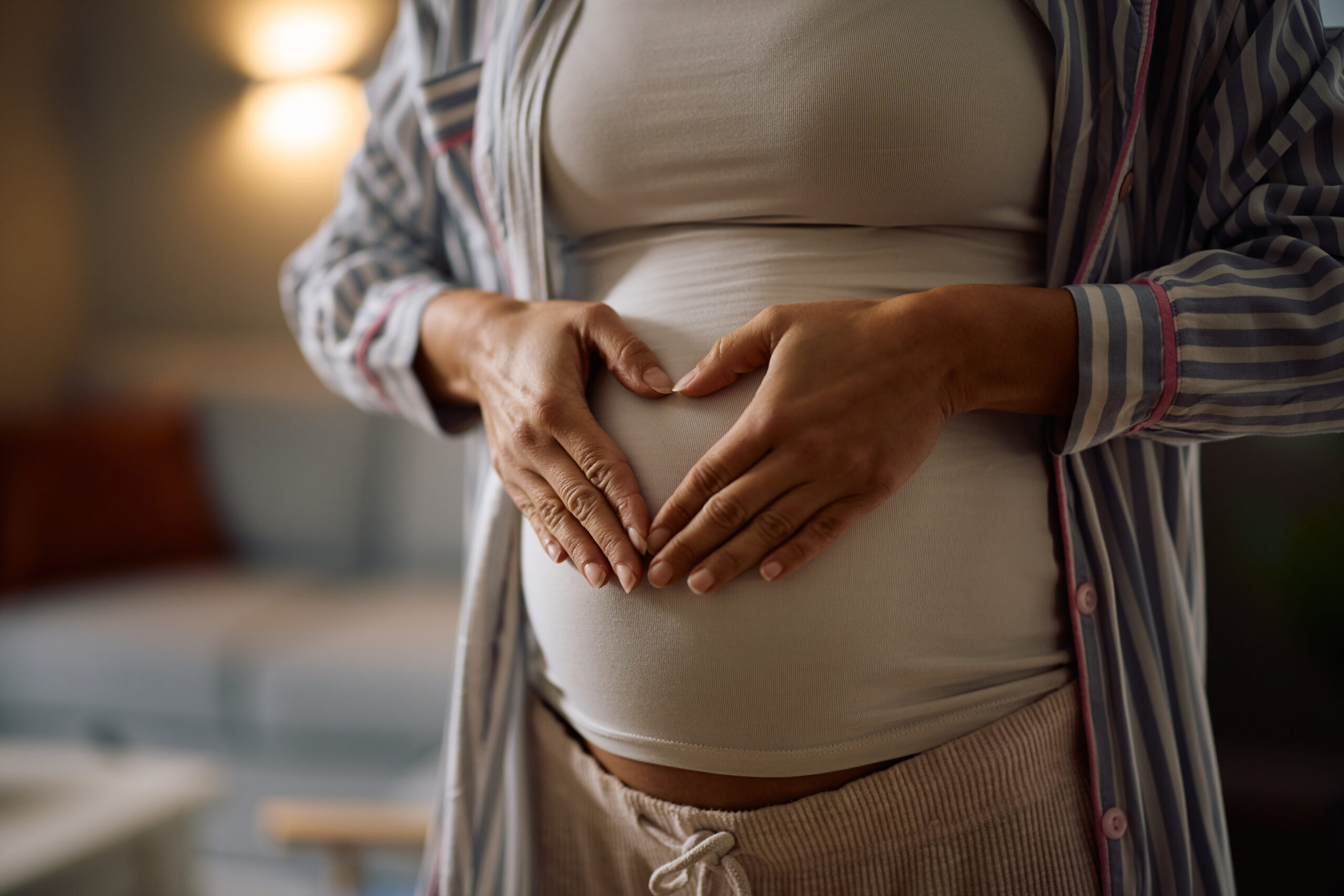
Pregnancy is an incredible journey, but it also places significant physical and emotional demands on your body. As your baby grows, your posture and biomechanics naturally change. This can lead to discomfort and strain. Our osteopaths offer gentle, safe and effective treatment to support your body throughout each stage of pregnancy, ensuring that you leave our clinic with less discomfort, but also feeling empowered in the strength of your body and it’s ability to adapt to each stage of pregnancy.
Holistic Care from pregnancy through motherhood
Reclaim your confidence and Restore your wellbeing
Antenatal, postnatal and Women’s Health assesments from qualified, caring osteopaths.
Holistic Pelvic Care
Expert Care
Osteopathy Can Help with the following:
- Relief from Back, Neck and Pelvic Pain
- Relieve muscle tension
- Improved Circulation and Reduced Swelling
- Preparation for Labour
- Emotional and Physical Relaxation
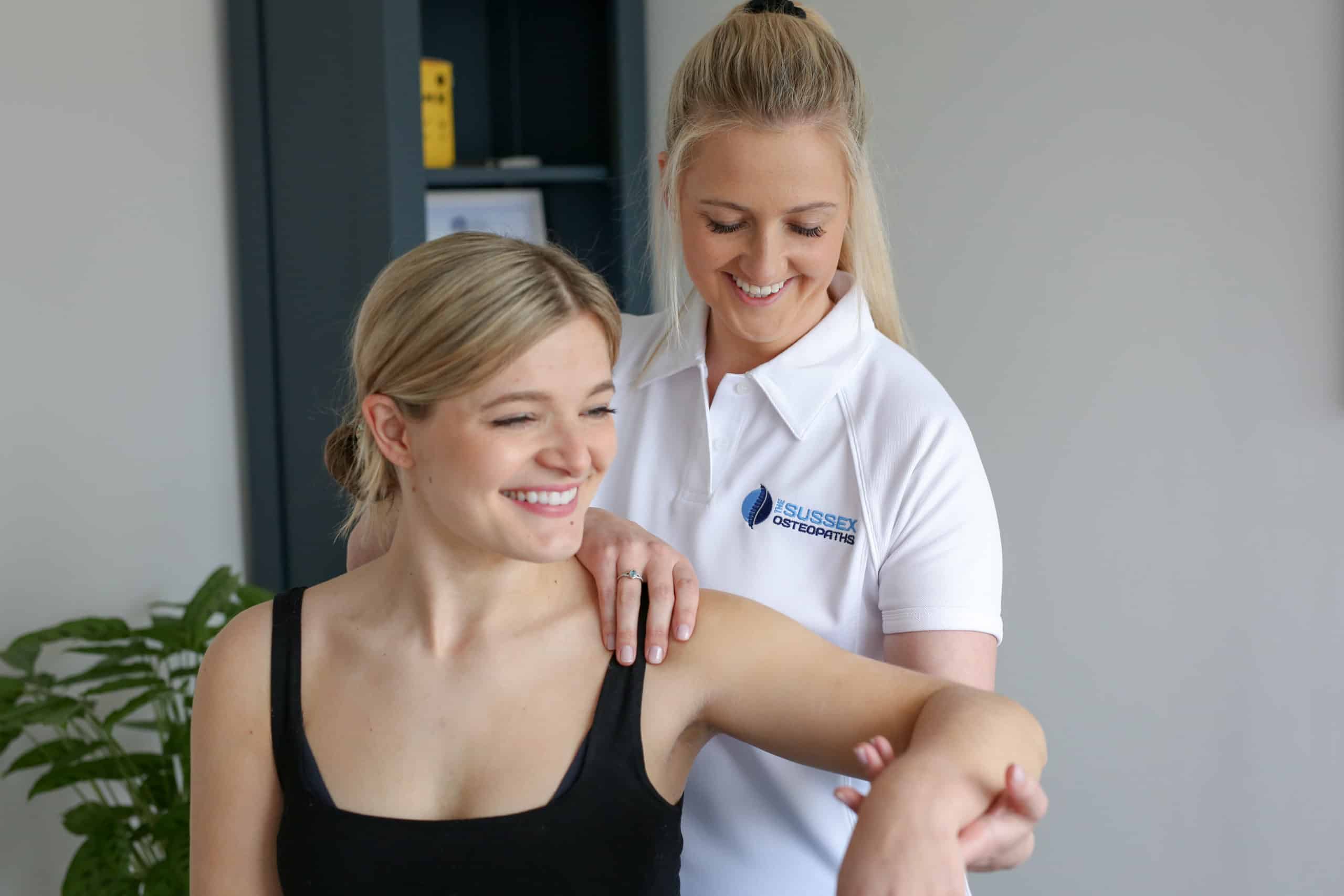
The postpartum period, often referred to as the “fourth trimester,” is a crucial time for recovery, healing and adjustment. Our osteopaths will help you understand the necessary pelvic & abdominal rehabilitation for post-partum, ensuring successful recovery after labour and birth. We want our patients to feel empowered in the strength of their bodies, while soothing any muscular, ligament or joint pains that they may have.
Key Benefits of Osteopathy After Birth
Pain Relief and Improved Mobility
Our osteopaths can help release tension and improve range of motion which can make daily activities like carrying and feeding your baby more comfortable.
Pelvic and Core Recovery
Osteopathy can help to support recovery post pregnancy and birth. Treatment helps create a better foundation for your muscles to activate properly again. Treatment aims to reduce strain, balance the joints and muscles and helps to regain strength through alignment and exercises.
Postural Support
Repetitive postures such as feeding, rocking and carrying can lead to strain. Our osteopaths can help correct imbalances & provide guidance on maintaining healthy posture.
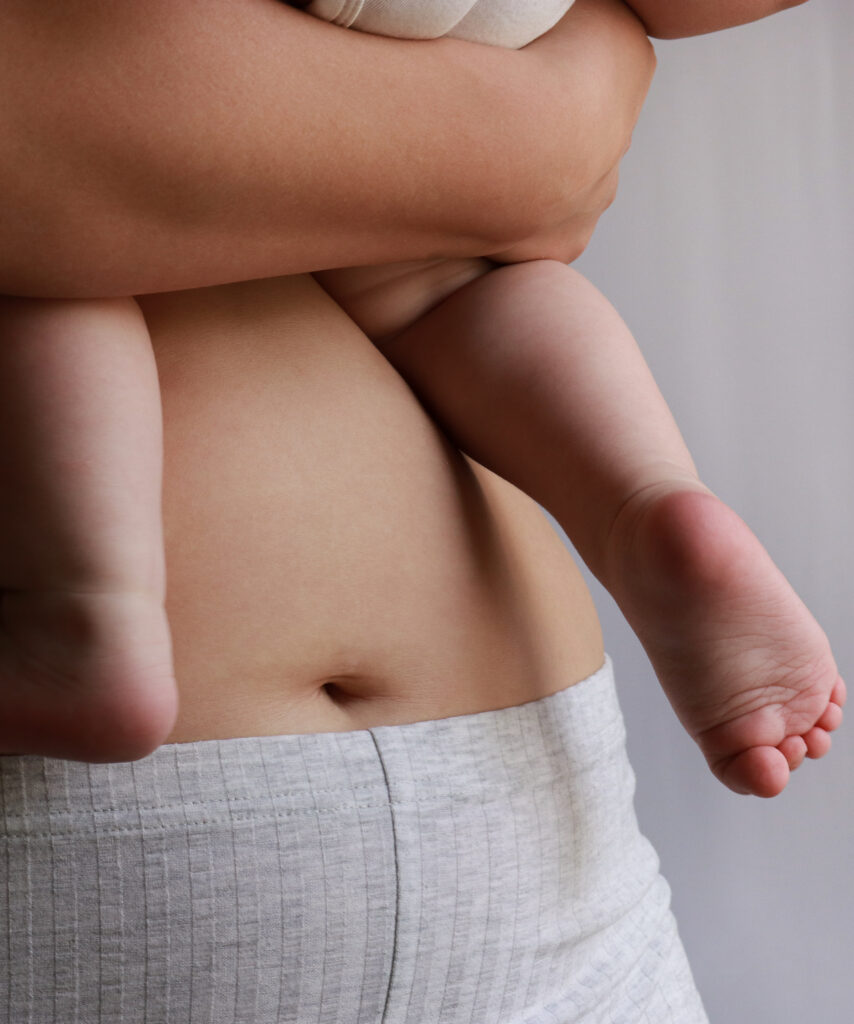
Scar Tissue Management
For women who have had a cesarean section or experienced tearing, osteopathic techniques can help improve the mobility and healing of scar tissue.
Hormonal and Circulatory Support
Osteopathy can enhance blood flow and lymphatic drainage, supporting the body’s natural recovery processes and helping regulate hormonal changes during the postpartum period.
Stress Reduction and Emotional Wellbeing
The postpartum period can be emotionally intense. Gentle treatment can help to reduce stress and promote relaxation, benefiting both mother and baby.
Expert Antenatal & Postnatal care
All of our Osteopaths at The Sussex Osteopaths are qualified to help you throughout your pregnancy. We recognise that each pregnancy is unique and consequently every patient we see recieves individual, tailored care.
If you are pregnant and are experiencing pain or discomfort, or you would like to optimise your body in preparation for birth you can book online or contact us via telephone or email. If you have any questions regarding treatment, please don’t hesitate to contact us!
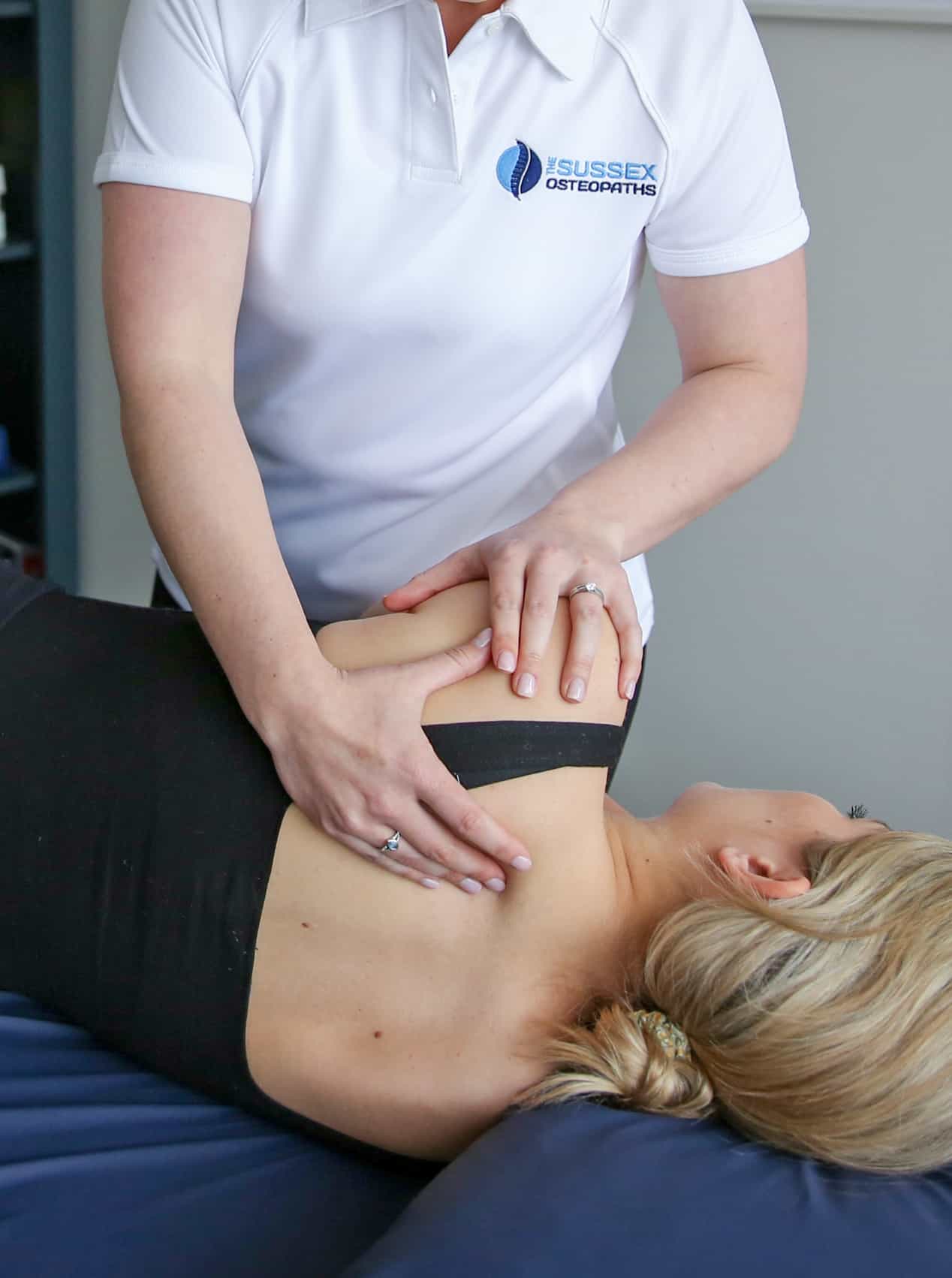
Every pregnancy and post-partum journey is unique and our osteopaths’ treatments are always personalised for your specific needs. Whether you’re experiencing discomfort or simply want to support your body through this time of change, our osteopaths can help you feel more comfortable and prepared for the months ahead.
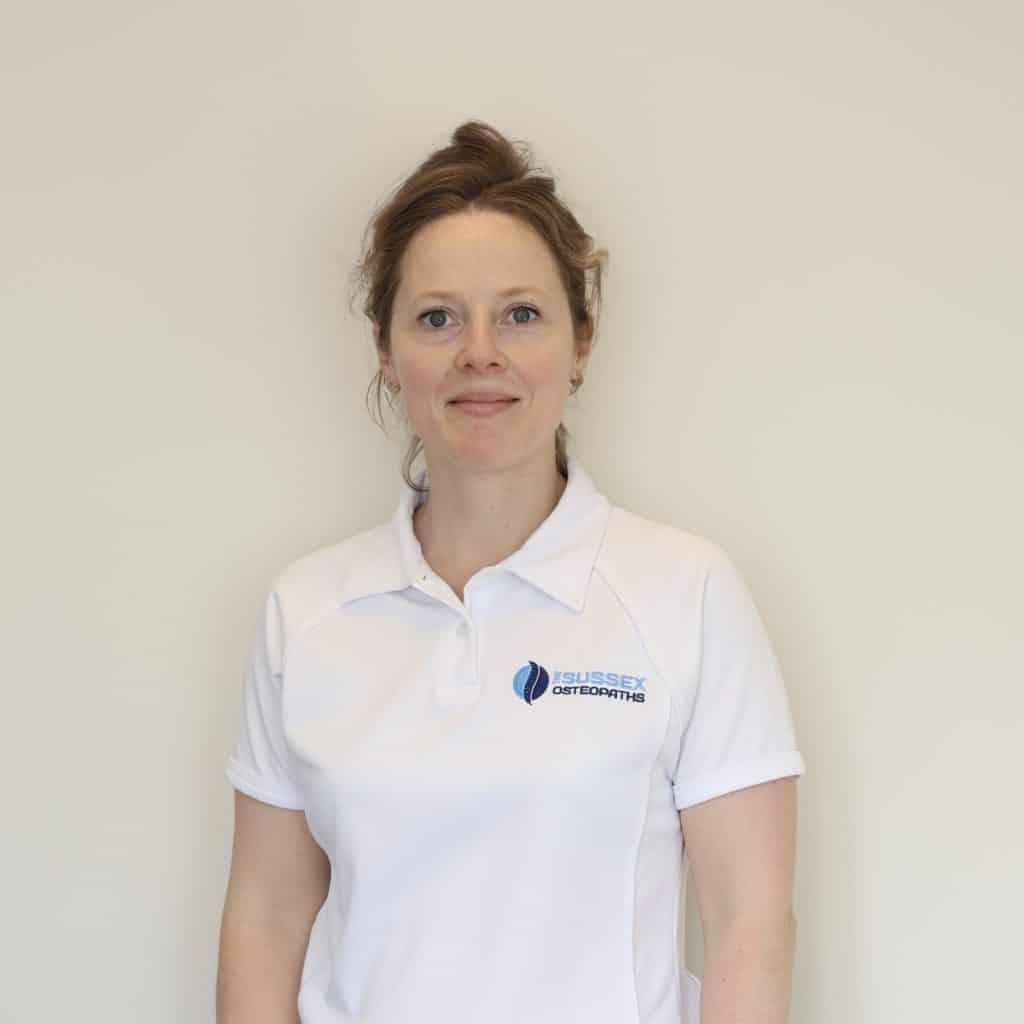
Clio Turton
Registered Osteopath and Pelvic Health Specialist
Clio graduated with distinction from the British College of Osteopathic Medicine. She then went on to complete post-graduate qualifications in cranial osteopathy with Sutherland Cranial College of Osteopathy and a 2 year diploma in Holistic Pelvic CareTM with the Molinari Institute.
Clio is passionate about empowering women before and after birth and understands the impact that pelvic health has on, not just a women’s health, but her life too. She is skilled at rehabilitating pelvic issues and addresses them with great empathy and understanding, leaving her patients feeling more confident as well as more comfortable.
Pelvic conditions which Osteopathy can help to improve
Pelvic floor weakness
Osteopathic treatment can help to restore any imbalances and reduce strain on the pelvic floor. Your osteopath will also advise you on correct pelvic floor engagment
Prepare for labour or heal after birth
Pregnancy, birth and early childcare all affect muscles, joints and the pelvic floor. Osteopaths focus on optimising your body’s alignment and mobility so that your body can do its job more efficiently.
Pelvic pain and pain during intercourse
Pain during intercourse is often linked to an overactive or tight pelvic floor. Osteopathic treatment uses gentle internal and external techniques to relax the pelvic floor and other associated muscles.
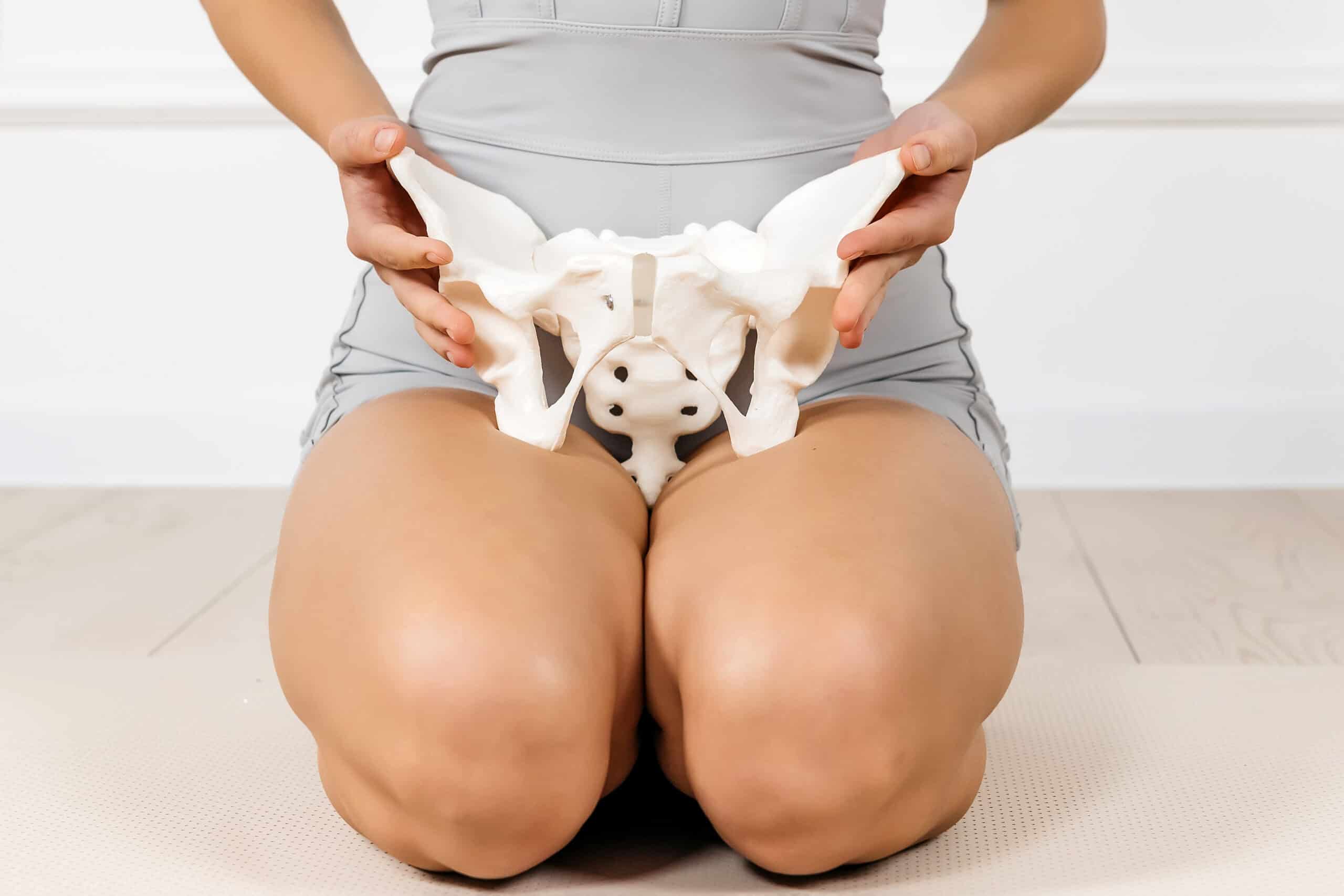
Pelvic organ prolapses
Your osteopath will help to reduce the mechanical strain on pelvic structures causing the prolapse and address habits which can exacerbate the issues.
Urinary incontinence
Incontinence is often linked to how well your pelvic floor and body mechanics are working together. Osteopathy can help by improving the support system around the bladder, not just the pelvic floor itself
Ceasarian section or Hysterectomy recovery
The goal isn’t just healing the scar, it’s restoring how your whole body works together again during its recovery. Osteopathy can help with scar healing and mobility as well as restoring abdominal function
Frequently Asked Questions
An initial Pelvic Health consultation is 90 minutes and includes a detailed case history, basic introduction to female pelvic anatomy, a pelvic floor assessment and treatment, with plenty of time to discuss treatment aims and outcomes with you.
The pelvic muscles are assessed intravaginally during a pelvic ‘squeeze’ like a Kegel / pelvic floor exercise. This is done with a gloved, lubricated finger inserted in the vagina. Pelvic muscle engagement, trigger points, tension and pain patterns are noted.
The assessment is followed by treatment to correct the imbalances, tension and adhesions found. Techniques include intravaginal massage with myofascial release and trigger point work assisted by breath-work and visualisation tools.
The pelvic massage is gentle and respectful, following the lead of the body. It should never hurt and the response of a woman’s body guides the depth and direction of the hands-on work. Though gentle, the effects are profound and women often notice a change with even one session.
You can absolutely have osteopathic treatment whilst pregnant. In fact, we highly recommend it in order to optimise your body prior to birth. All of our osteoapths are trained and competent to treat pregnant women. In most cases, we ask that women wait until their second trimester, after their first scan, however there are some cases in which our osteopath Clio is happy to treat during the first trimester. Please call us if you have any questions.
Internal pelvic assessment and treatment is not done during pregnancy.
Women who have had a caesarean birth can most definitely benefit from a Pelvic Assessment and treatment. A caesarean operation requires the surgeon to pass through 7 distinct tissue layers to deliver your baby, and your pelvic floor has still undergone huge amounts of stress from carrying your baby during pregnancy. Your osteopath can work directly onto your caesarean scar to minimise adhesions and stimulate healing. They can work on the external pelvic muscles as well as internal work to address the imbalances caused by any potential prolonged vaginal birth attempt.
We advise that most women wait 6-8 weeks before booking in for a post-natal check and 8-10 weeks for those who have had an episiotomy or a caesarean birth. This allows enough time for your body to begin recovering from birth and should mean that internal exams are more comfortable.
There is no time limit for the benefits of a post-natal check. Whether you had your child 8 weeks, 8 months or 8 years ago, osteopathy can help with pain, abdominal separation or leaks even decades later.
Clio’s Pelvic Health Assessments take longer than our standard osteopathic appointments in order to gather a detailed case history and allow enough time for assessment and treatment, all whilst ensuring that you feel safe and comfortable throughout the appointment.
Initial appointments are usually 90 minutes and cost £140. Follow up appointments are up to 60 minutes and cost £100.
The number of treatments needed depends on the extent of a woman’s symptoms and how long she has been having them. Three sessions are usually recommended to restore basic pelvic balance.